
Key EU project gathers in Hungary to combat nutrient pollution
04.12.2025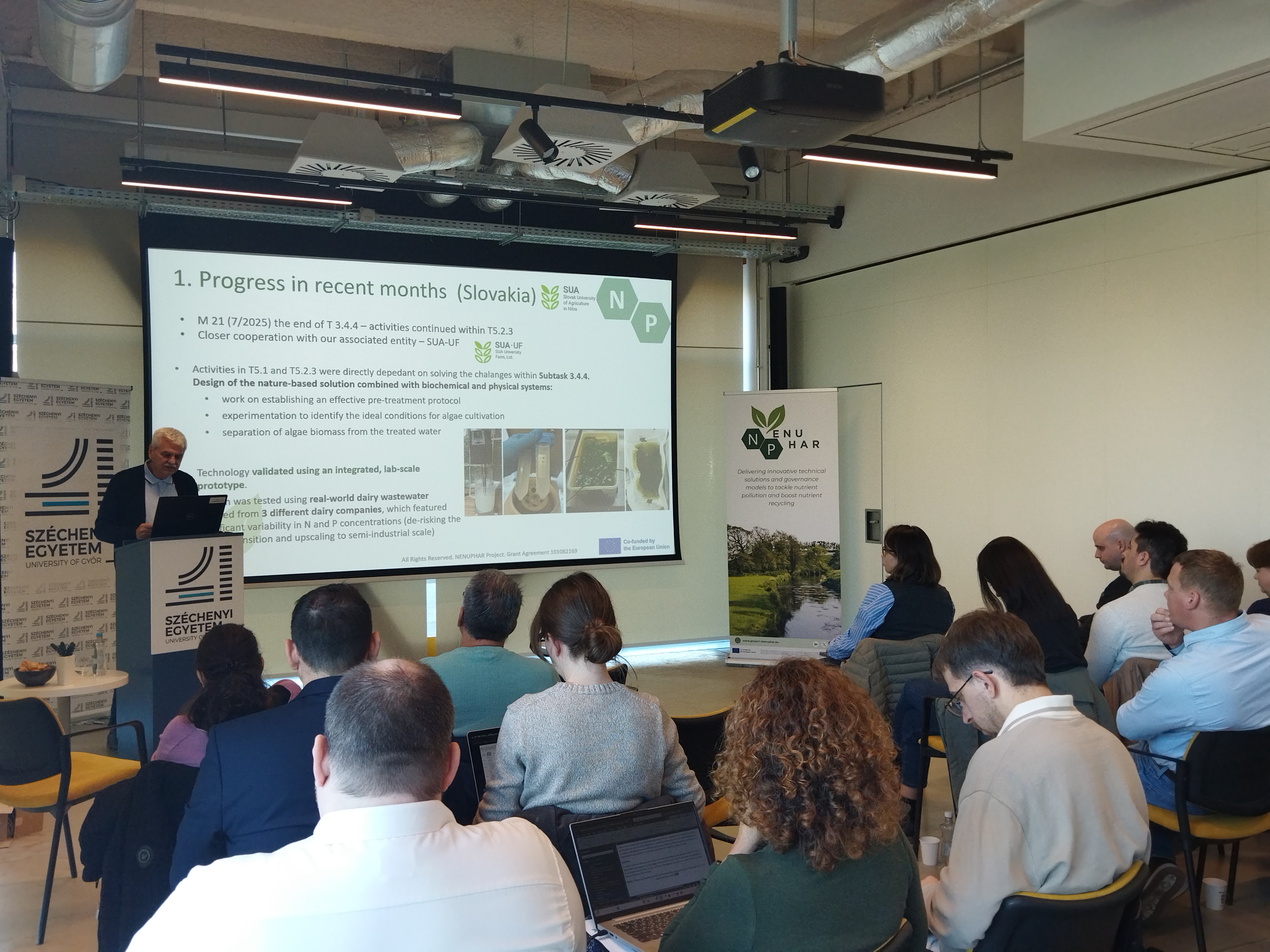
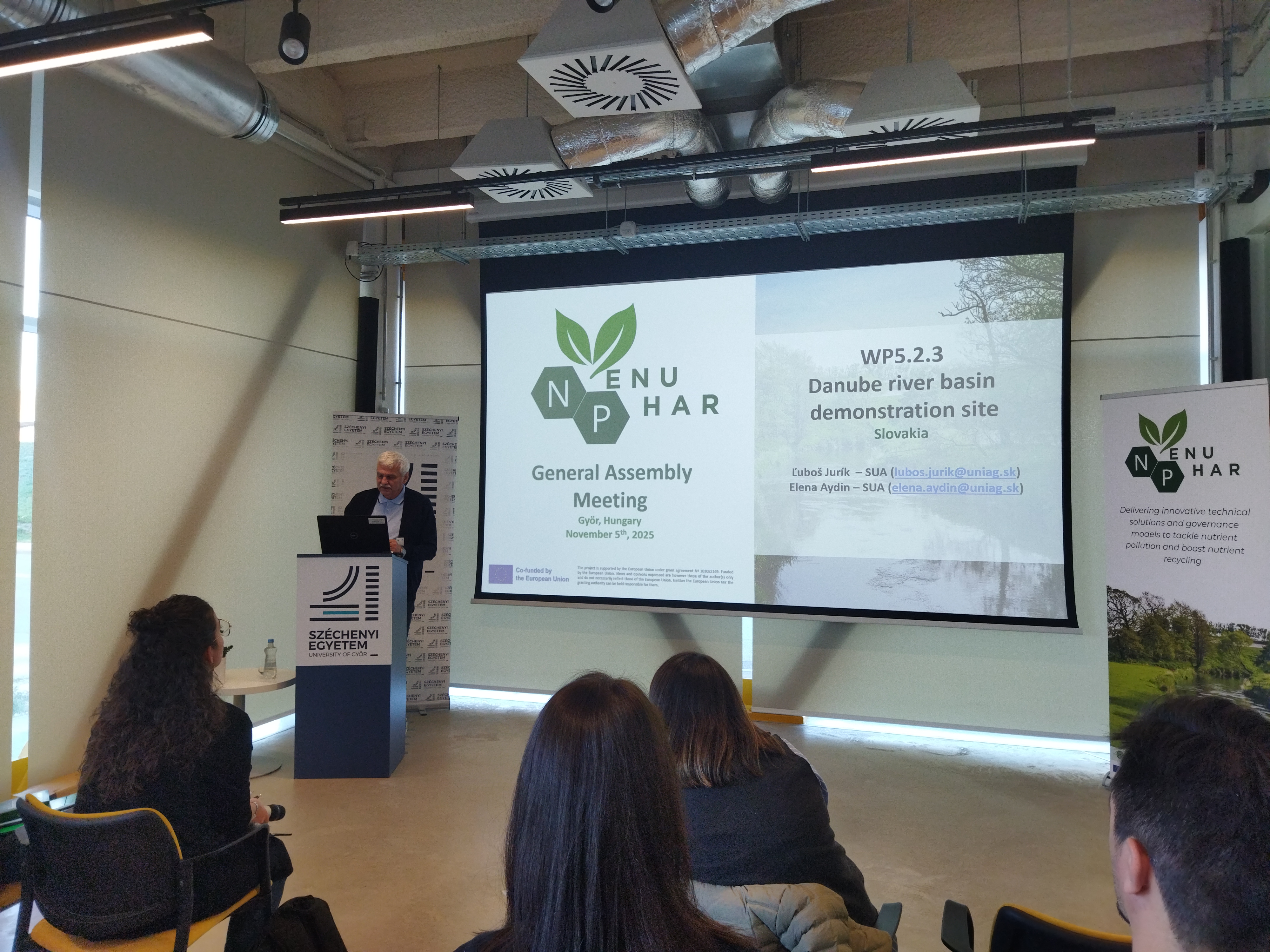
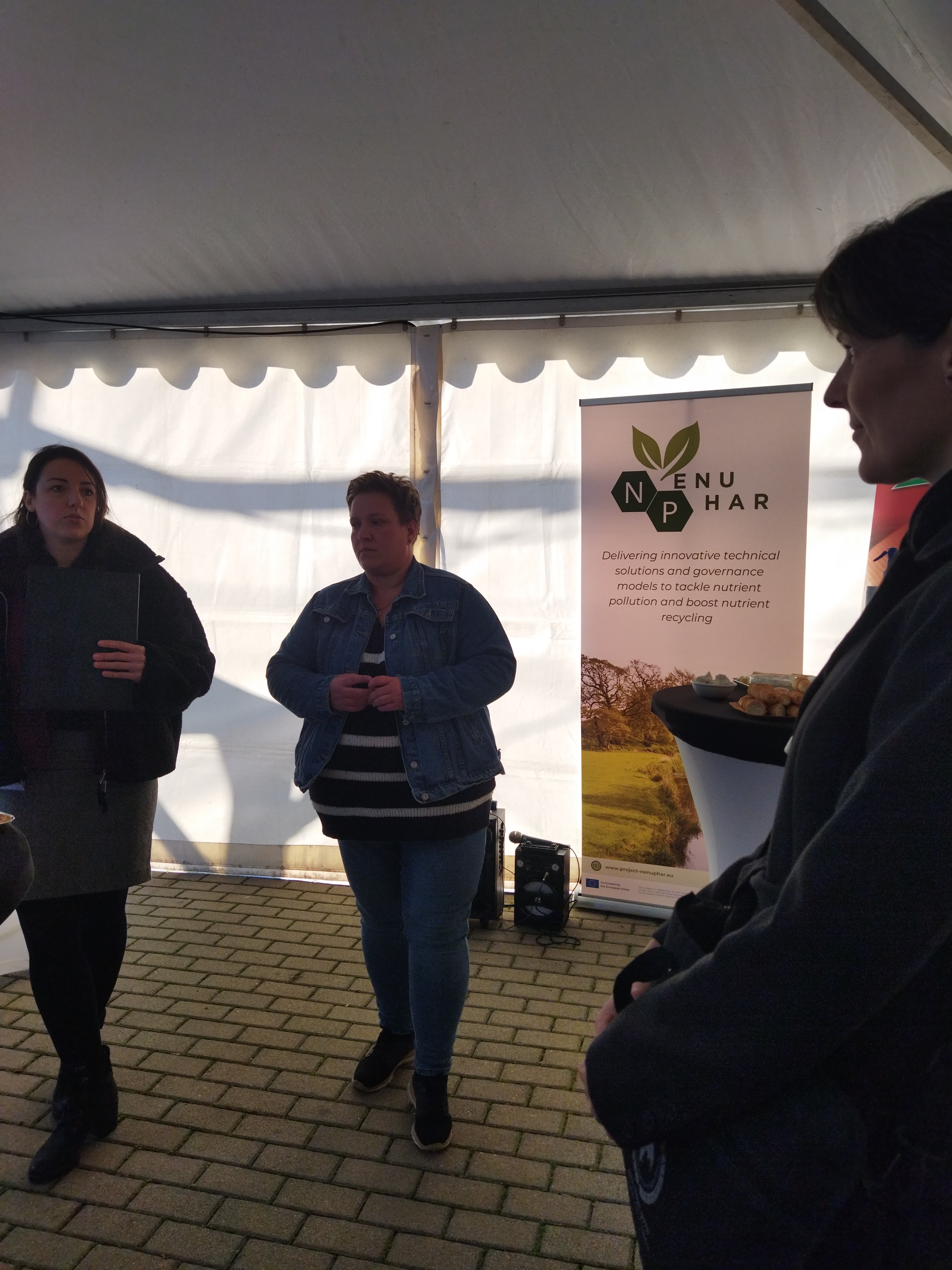
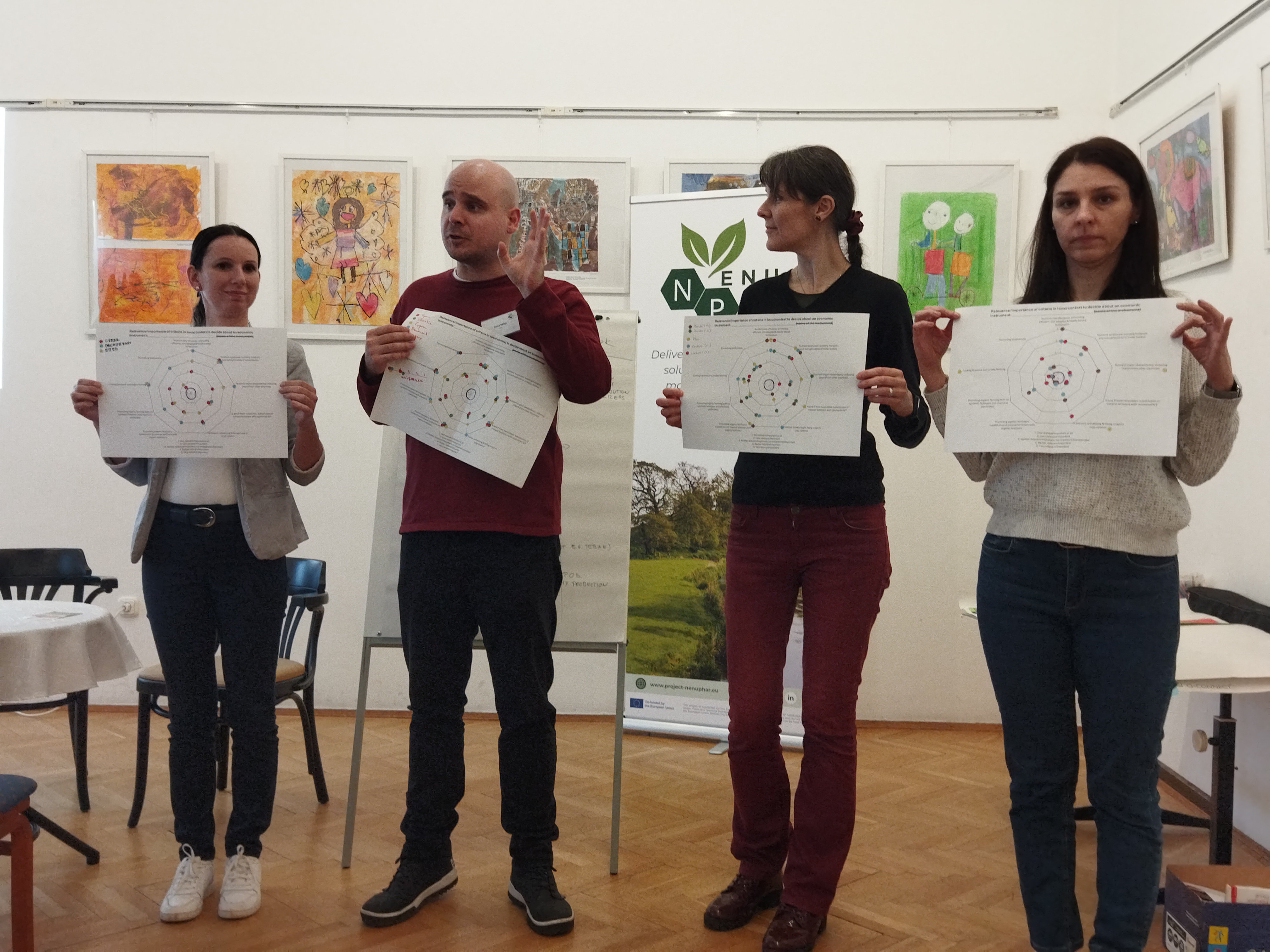
From 5th – 6th of November 2025, representatives from 21 partner organisations across 10 European countries came together in Győr, Hungary, for the Annual General Assembly of the Horizon Europe project NENUPHAR - “New governance models to enhance nutrient pollution handling and nutrients recycling”.
Hosted by Széchenyi University, one of the consortium’s academic partners, the meeting brought together experts from government, academia, civil society, and industry to tackle one of Europe’s most urgent environmental challenges: nutrient pollution.
Tackling a hidden crisis
Across Europe, excess nitrogen and phosphorus are pushing ecosystems to their limits. Nutrient pollution leads to eutrophication, harmful algal blooms, and oxygen-depleted “dead zones” in rivers, lakes, and seas. These damage biodiversity, contaminate water supplies, and reduce agricultural productivity. Rising fertiliser costs further strain farmers, creating both environmental and economic pressure.
Turning waste into opportunity
The NENUPHAR project is working to transform this crisis into opportunity. By recovering valuable nutrients from waste streams, the project aims to build a circular, sustainable fertiliser economy that protects ecosystems while strengthening Europe’s food systems.
The NENUPHAR project partners are focusing on three key waste sources: pig manure (Spain), composted sewage sludge (Lithuania and Latvia) and dairy wastewater (Slovakia and Hungary). Teams across three demonstration sites are developing new technologies, management models and financial incentives to make nutrient recovery practical and profitable. These innovations are designed to reduce Europe's dependence on imported fertilisers and create cleaner, healthier soil and water resources.
Role of the SUA in the NENUPHAR project / Demonstration site in the Danube river basin
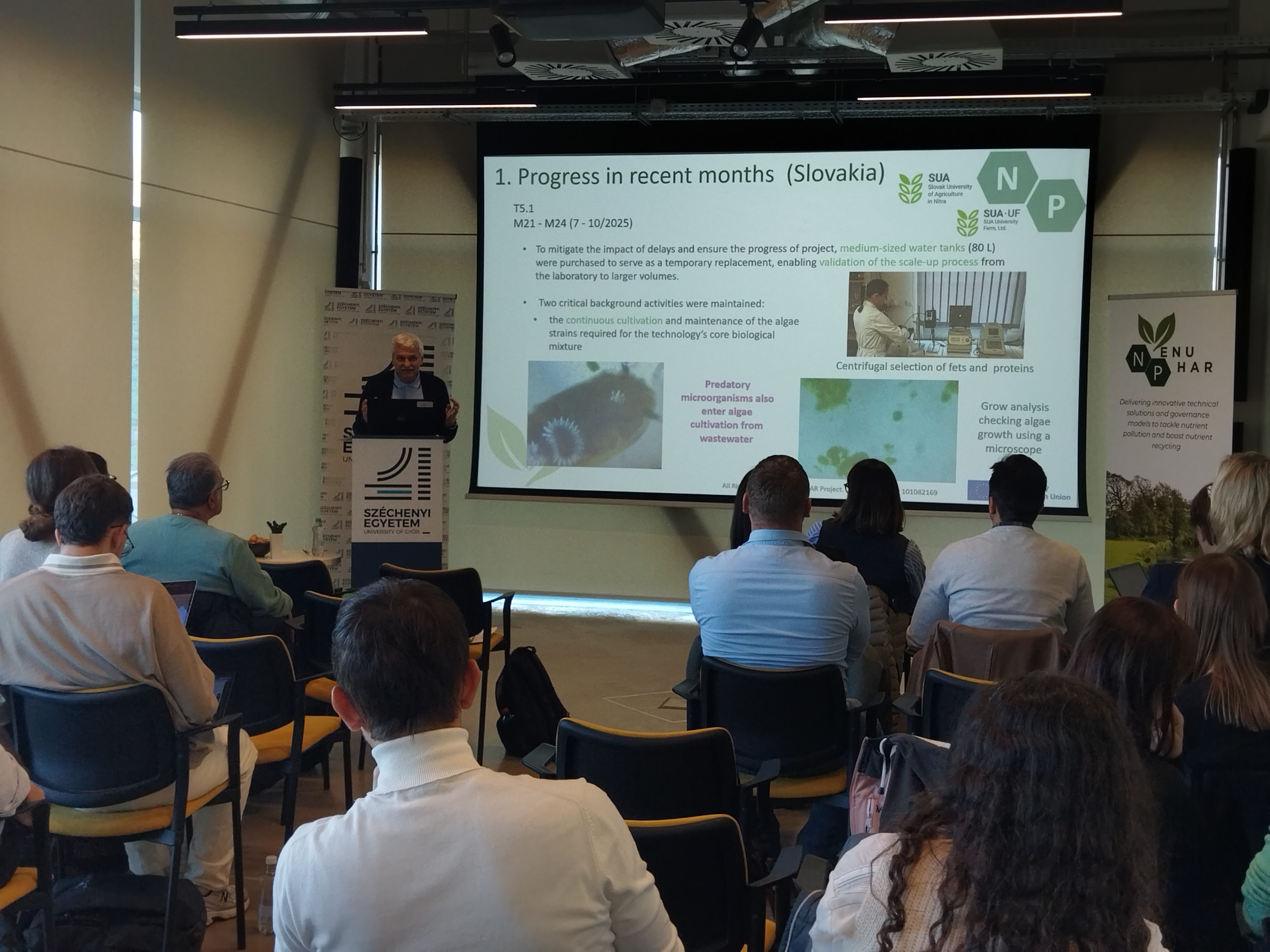
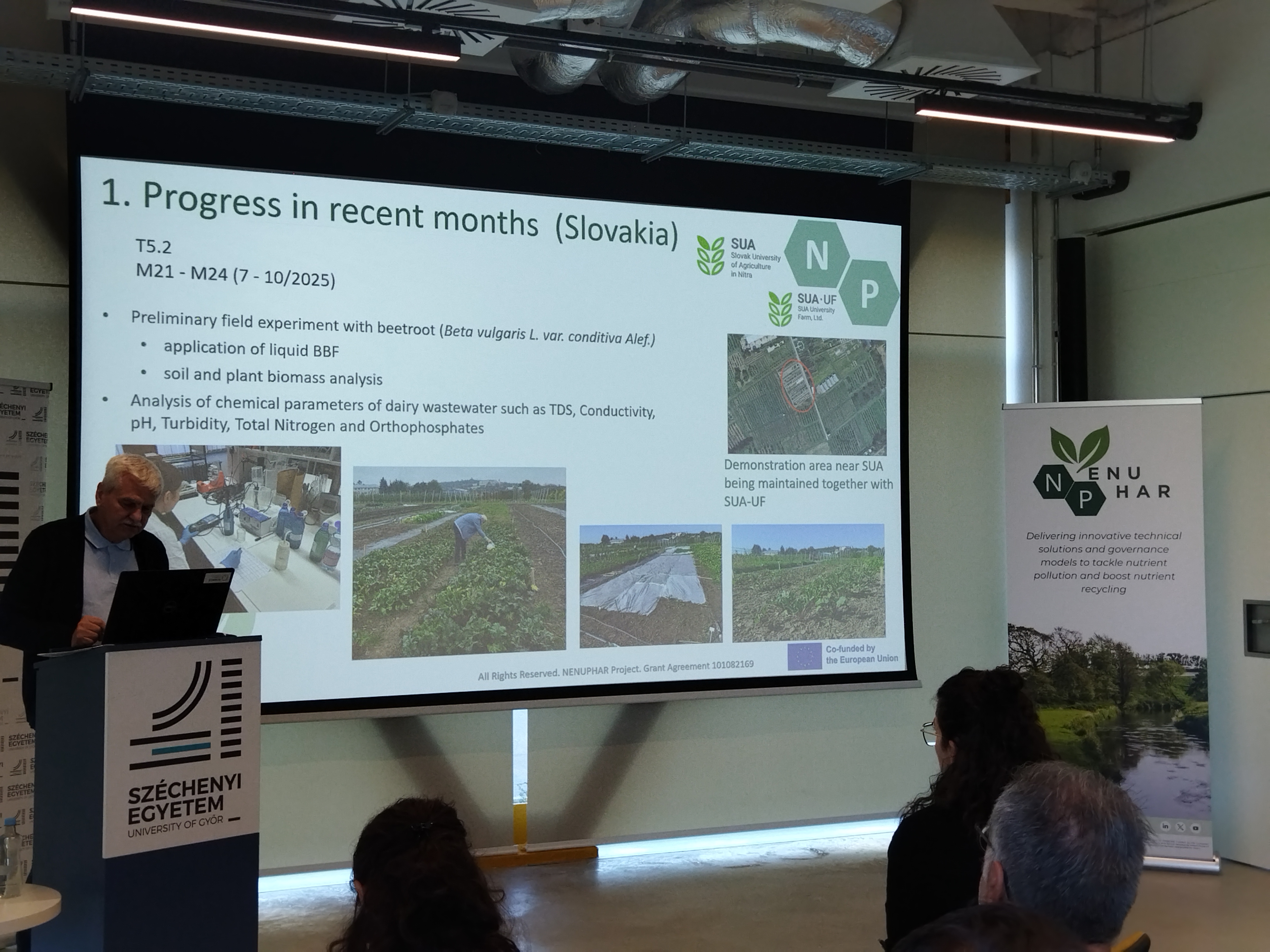
At the Slovak University of Agriculture in Nitra, in collaboration with the University Agricultural Enterprise SPU, s. r. o., Kolíňany, a research team is developing an innovative natural solution tailored to dairy wastewater. This demonstration focuses on a unique two-phase process: first, wastewater from the cooperating dairies is physically pre-treated and then fed to a special mixture of algae that naturally absorb excess nitrogen and phosphorus present in the dairy process wastewater. By implementing this technology, this site contributes to the mission of the NENUPHAR project not only by purifying the water, but also by harvesting nutrient-rich algae. This harvested biomass will then be further stabilized in various ways, creating a new, promising bio-based fertilizer. As a clear example of closing the loop of the circular economy, this new fertilizer has already been tested in a preparatory field trial at the SPU Demonstration Garden in Nitra, where its impact on the growth of common beet (Beta vulgaris subsp. vulgaris Group Conditiva) has been monitored since August 2025. This turns a local pollution problem into a potentially sustainable solution for farmers. The project team is currently working to scale up the technology from laboratory to pilot scale using custom-made 1000-liter tanks to demonstrate its potential in real-world conditions.
Collaboration in action
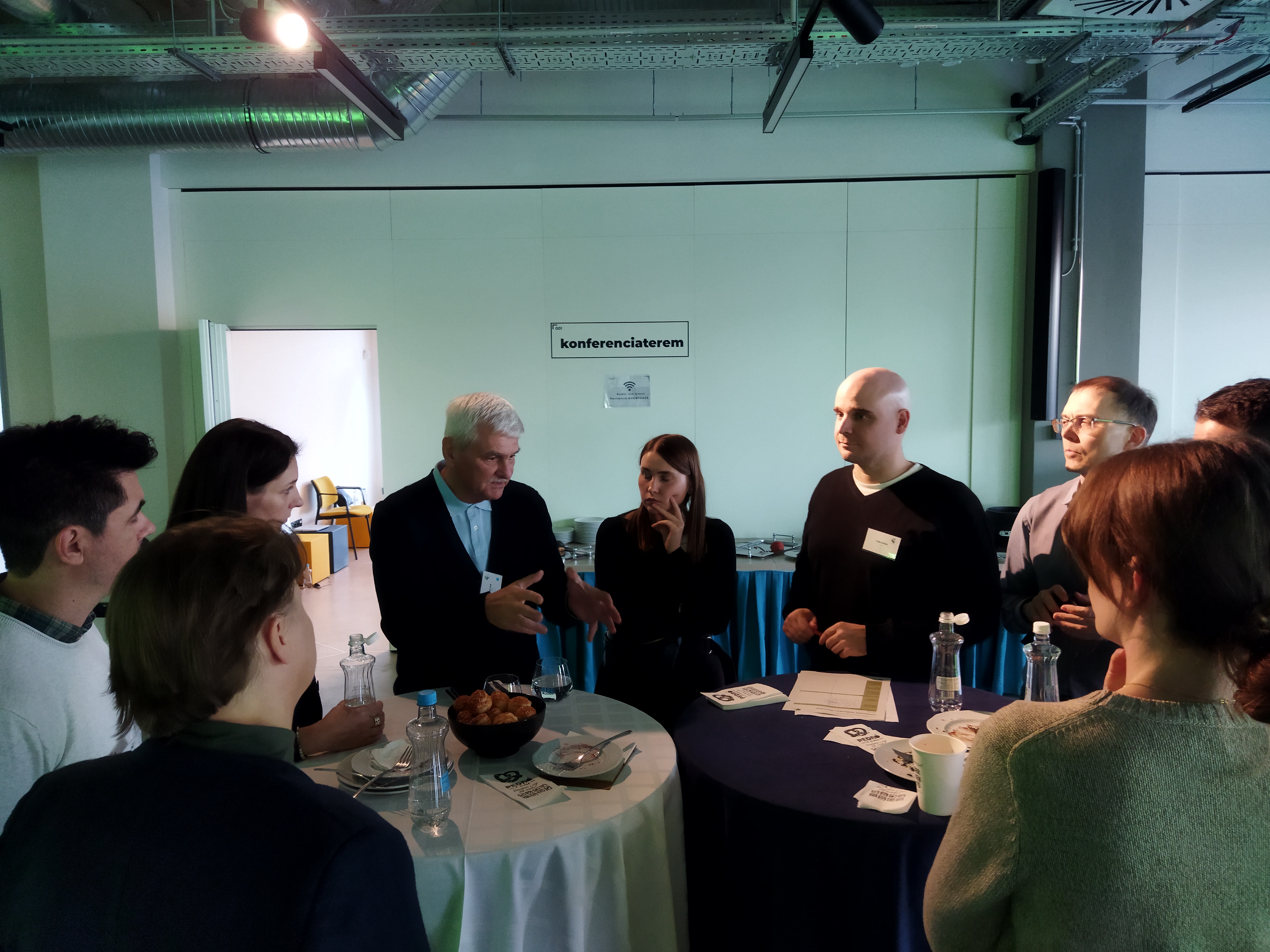
At this week’s Assembly, partners have been reviewing progress and challenges from the project’s demonstration sites, refining governance models, and setting priorities for the year ahead. The gathering at Széchenyi University highlights how European collaboration can drive innovation that benefits both people and the planet.
“We are proud to host this meeting at Széchenyi University,” said Dr. András Vér – a researcher at this university. “Projects like NENUPHAR show how European research partnerships can deliver real solutions for sustainability, agriculture, and the environment.”
Innovation in Hungary
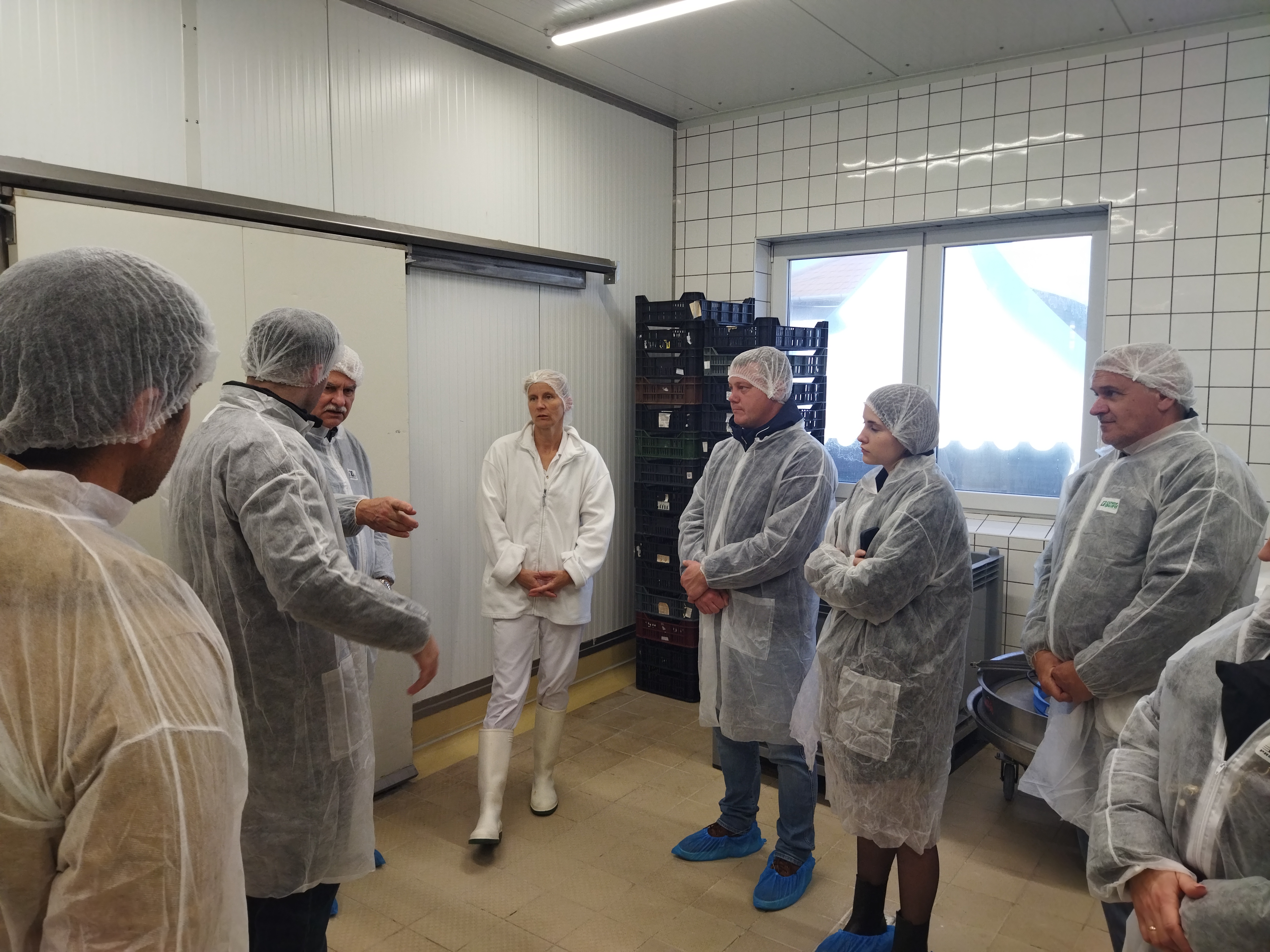
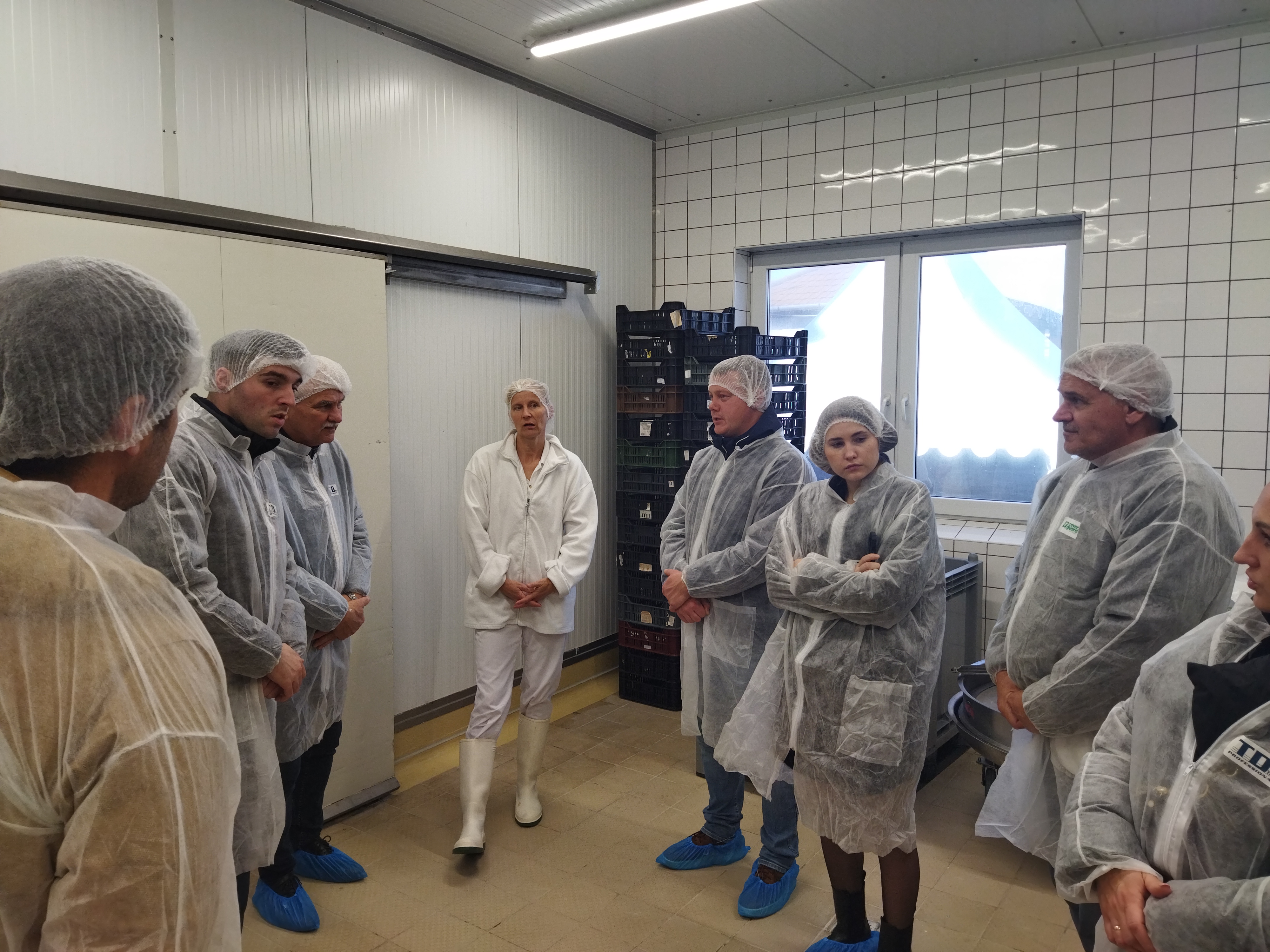
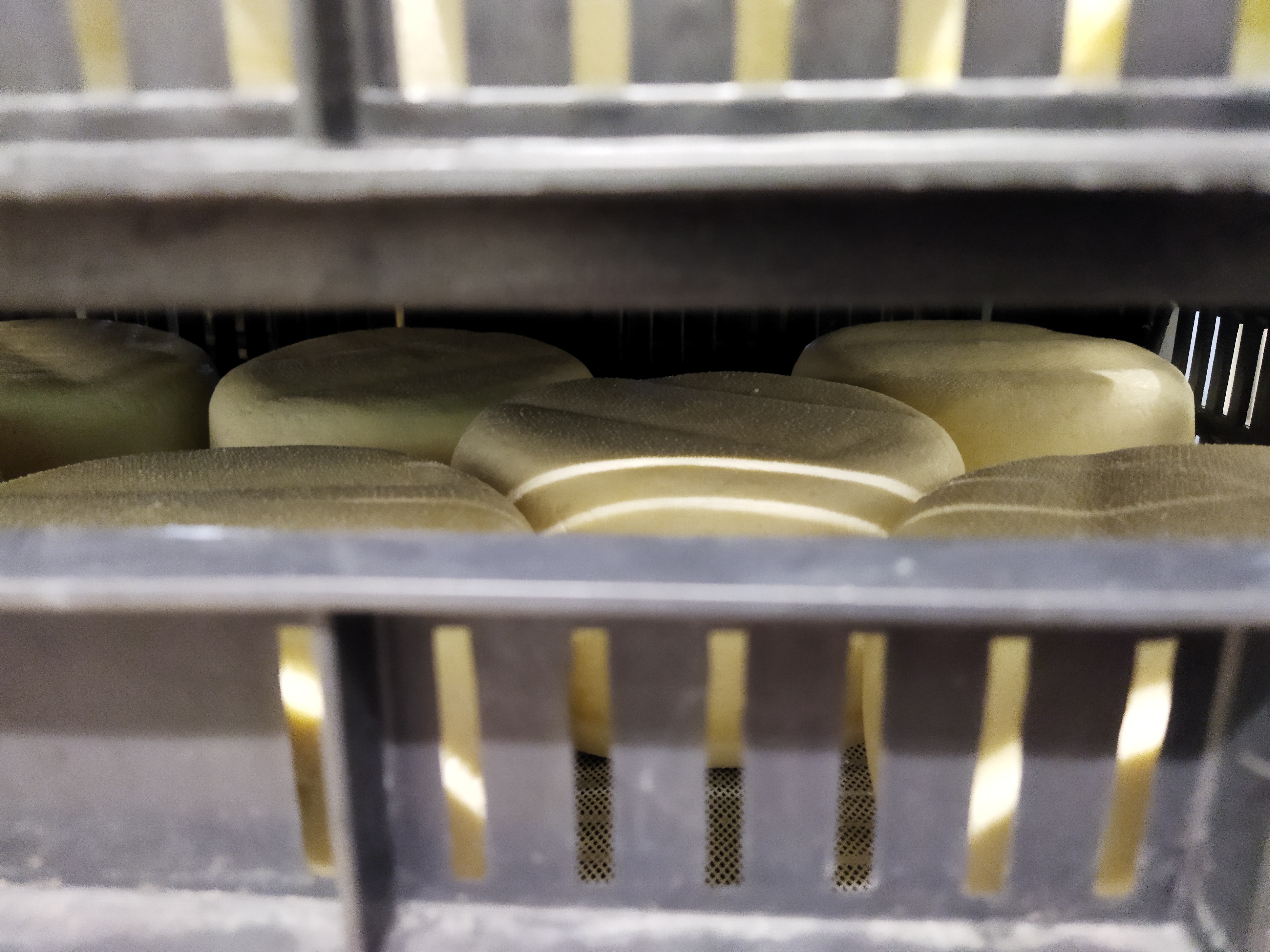
During the meeting, the partners also visited the Hungarian family dairy Tebike in Győr, a project partner and where one of the technologies developed within the NENUPHAR project is being tested. The facility demonstrates how wastewater from the dairy industry, previously considered a pollutant, can become a source of nutrients for reuse, thus closing the loop between food production and environmental protection.
A European vision for cleaner water and soils
As Europe seeks to secure sustainable food systems and restore its natural environments, NENUPHAR stands as a leading example of how research, policy, and innovation can work together for a more circular future.
More about the project:
NENUPHAR is a Horizon Europe project (2023-2027) working to tackle Europe’s nutrient pollution crisis by recovering nitrogen and phosphorus from waste streams such as manure, sewage sludge, and dairy wastewater. By developing new technologies, governance models, and economic incentives, the project aims to turn waste into valuable fertiliser products, reduce environmental impacts on water and soil, and build a circular, sustainable nutrient economy across Europe.
For more information about the project please check the webpage at: https://project-nenuphar.eu/
Project manager for the Slovak University of Agriculture in Nitra:
- prof. Ing. Ľuboš Jurík, PhD., SUA in Nitra, Hospodárska 7, 949 76 Nitra, lubos.jurik@uniag.sk